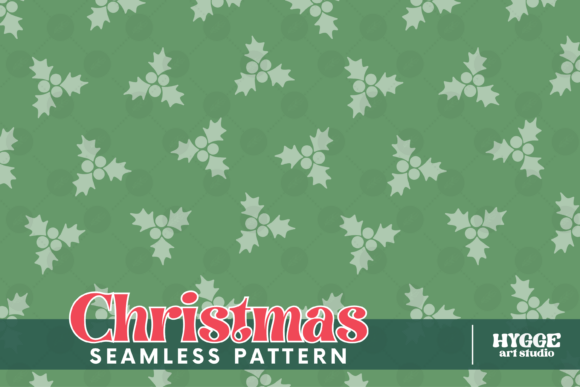
Evaluating a Christmas Holly Berry Pattern for Real Embroidery Projects
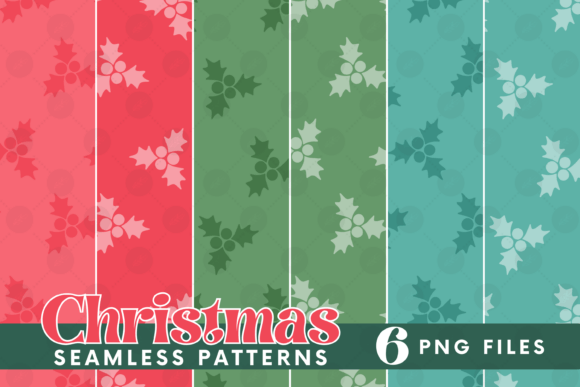
When you’re sourcing a new embroidery design for client work or your own product line, you’re looking beyond the pretty preview. You’re thinking about how it will translate into stitches, how it will feel on fabric, and what kind of reaction it will get from the person who receives it. That’s the lens I’m applying to this Christmas Seamless Pattern Holly Berry design.
The Immediate Appeal and Mood of this Holiday Design
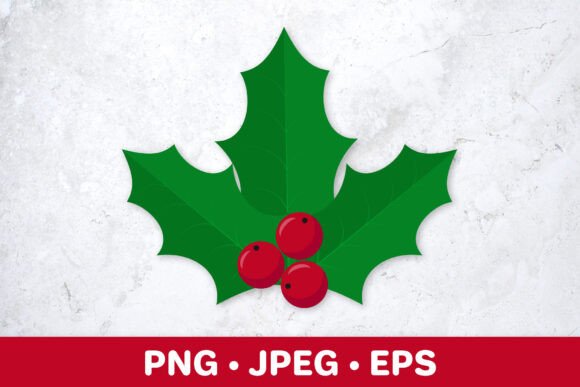
The first impression is one of classic, cheerful festivity. A seamless pattern built around holly leaves and berries suggests a sense of continuous, cozy tradition. The layout feels balanced and inherently decorative, perfect for those projects where you want a repeatable, all-over festive feel rather than a single, central motif. The detail level in the graphic appears clean and well-defined, which is promising for stitch clarity. This isn’t an overly modern or minimalist take; it’s a friendly, recognizable holiday pattern that evokes warmth and nostalgia. Visually, it belongs on items meant for gathering, gift-giving, and home celebration.
Where This Pattern Naturally Belongs in Your Project Queue
I can immediately picture this pattern as an embroidery file adapted for a range of holiday-centric items. For a custom apparel project, think of a sweatshirt sleeve or a t-shirt hem with a band of this holly berry pattern—it creates a border that feels special without being overwhelming. It would be stunning as a large, repeated design on a tote bag for a crafty customer, or as a smaller, delicate band along the edge of a tea towel or apron. For baby clothes or nursery decor, a scaled-down version on a blanket corner adds a sweet holiday touch. As a embroidered patch, it could be a beautiful standalone piece for a cap or a jacket. For small business merchandise, this pattern elevates simple items like pillow covers or kitchen towels into boutique-ready holiday products. In your Etsy listings or craft fair displays, items featuring this design would signal classic, quality handmade work.
Considering the Practical Stitching Scenario
Let’s walk through a real case. Imagine you’re preparing a custom embroidered tote bag as a holiday gift for a client. You want the bag to feel luxurious and durable, a piece that comes out every Christmas season. Using this seamless pattern means you’re planning the stitch area—will it be a wide band across the bottom, or a more subtle trim along the top? The clean lines of the holly and berries suggest that satin stitches for the berries and fill stitches for the leaves could render beautifully, provided the stitch density is well-calibrated. On a textured fabric like canvas, you’d need a robust stabilizer to keep those clean shapes crisp. The pattern’s repeatability means you need to consider the hoop size and plan your moves carefully to maintain alignment across the bag’s surface. The final result should feel integrated and professional, not like a series of disjointed motifs.
Points for Careful Attention and Testing
This is a design that invites a few specific practical checks before you commit to a final product. Small hoop sizes might challenge the repeat, so testing on scrap fabric is essential. On thin or stretchy fabric like some t-shirt materials, the potential density of the leaves could require extra stabilization to prevent puckering. If you’re considering dark fabric, you must carefully plan your thread color contrast—deep green holly on a black background might lose definition without bright red berry accents. Applying it to curved surfaces like caps requires careful digitization to adapt the seamless flow to the shape. Always inspect the smallest details in a test run; tiny berry centers or leaf veins need to stitch out clearly to maintain the design’s charm. For products destined for frequent washing, like kitchen linens, a secure, dense stitch execution will ensure longevity.
The Impact on Product Value and Customer Perception
Using a well-executed pattern like this affects more than just aesthetics. It boosts the visual appeal of your finished product, making it look considered and professional. Clear stitching clarity from a clean graphic builds customer trust—they see precision and care. For a handmade presentation, it speaks to a level of artistry that goes beyond a simple logo. If you run a craft business, such designs help with brand consistency across your holiday line. The giftability is high; items adorned with this pattern feel intentionally crafted for the season, increasing their perceived value. For buyer engagement in your shop or online listings, a beautiful embroidered item using a recognizable yet classic pattern can be the standout piece that draws eyes and clicks.
Essential Pre-Use Notes for the Professional Designer
My routine advice always applies: test the design on scrap fabric first, ideally the same material you plan to use for the final product. This allows you to check thread color contrast and review stitch density in real life. Confirm hoop size compatibility with your intended layout. Before digitizing, inspect the provided graphic’s small details to ensure they’ll translate well into stitches. It’s also wise to test it in black and white mockups to understand its form without color, and compare light and dark fabric backgrounds digitally if possible. Always use the proper stabilizer for your specific fabric and project type. Crucially, since this product is categorized under Illustrations and Graphics, you must check whether the design works for both personal and commercial projects and confirm licensing before selling finished items or digital products. The product description notes it’s a clean PNG file, but for machine embroidery, you’ll need to digitize it appropriately, and all final file format compatibility, stitch counts, and license specifics should be verified with the source.
In conclusion, the Christmas Seamless Pattern Holly Berry presents a strong foundation for creating elegant, festive embroidered goods. Its classic theme and seamless nature offer flexibility for various applications, from personalized gifts to commercial embroidery runs for your small shop. The practical considerations around fabric, scale, and stitching execution are typical of any quality pattern project, and addressing them thoughtfully will lead to finished products that delight both you as the maker and your end customer. It’s a design that, when stitched with care, can turn a simple item into a cherished holiday piece.