A Snowman Design Worth Stitching
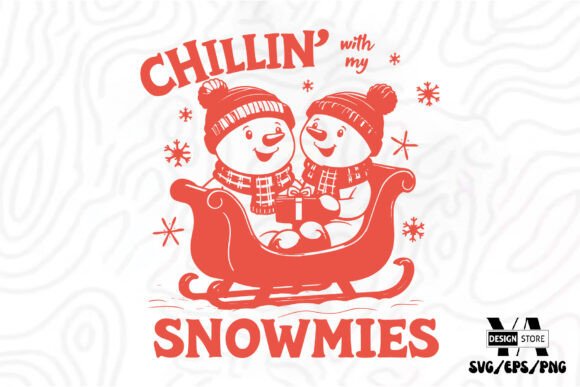
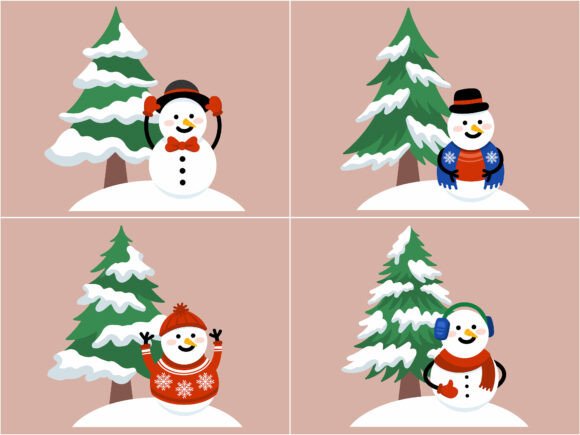
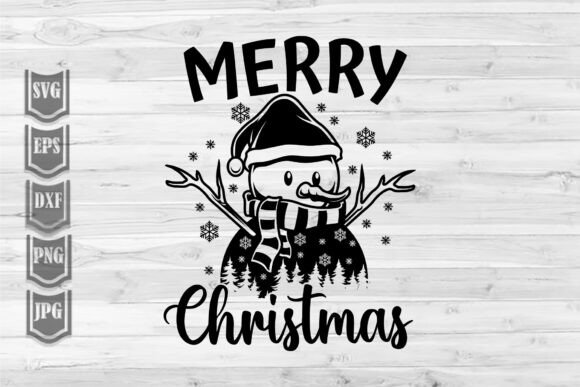
When you download a design titled Merry Christmas Snowman, you're hoping for more than just a graphic; you're looking for a reliable asset for your real-world projects. As a designer who relies on embroidery files for client work and my own product lines, the first thing I assess is whether a design can translate from screen to stitch with clarity and charm. This snowman, as part of the Illustrations and Graphics category, presents a classic holiday character with a friendly, approachable vibe. It feels less like a corporate logo and more like a warm, handmade greeting—a mood that’s perfect for the season.
The Immediate Project Fit
My mind goes straight to application. This design’s layout and detail level suggest it belongs on cozy, tactile items. Imagine a custom embroidered tote bag for a holiday market, a personalized sweatshirt for a family gift, or a sweet addition to a baby’s seasonal blanket. The scene it creates is gentle and festive, without overwhelming aggression. For a small business owner preparing for a craft fair, this snowman could become a staple on aprons, pillow covers, or tea towels—products that sell on feel and nostalgia. The visual personality is cheerful but not childish, making it suitable for a wide range of recipients.
Where It Shines in Real Embroidery
In practical use, the provided file formats are a solid starting point. Having SVG PNG EPS JPEG means flexibility. For machine embroidery design conversion, the layered SVG files per color (and merged layers for the colored version) give a cleaner path to defining stitch areas, which is crucial for efficiency. I’ve found this particularly valuable when preparing a batch of embroidered patches or caps for a small shop. On a textured fabric like a wool-blend blanket, the design’s likely composition—with defined shapes—should hold up well, provided stitch density is managed. On a crisp, white kitchen towel, it becomes a perfect boutique product, enhancing the handmade presentation and perceived value.
For custom apparel like t-shirts and sweatshirts, the snowman’s appeal is in its recognition and giftability. Stitching it onto a dark fabric, however, requires careful planning for thread color contrast. The all-black, merged layer file is a helpful tool for testing placement and size in mockups before committing thread. When I think about client projects, such as a wedding gift of embroidered pillow covers or a holiday line for an Etsy store, this design offers a professional, cohesive element that customers engage with easily.
Caution Zones for Stitching Success
Not every design is universal, and a good reviewer points out the careful spots. For this Merry Christmas Snowman, I would be cautious on very small hoop sizes. If the design contains tiny lettering or intricate decorative accents, those details might lose clarity on a cap’s curved surface or a baby item’s small field. Dense stitch areas, if present, could become problematic on thin or stretchy fabrics without the right stabilizer. It’s also wise to consider products that need frequent washing; a design with many small, tight elements might wear differently than a simpler one.
Layered garments, like a jacket with a quilted texture, or dark fabric backgrounds require a test on scrap material first. Always check how the design performs in both light and dark fabric mockups. The real test is how it looks after stitching, not on the screen. This is where your practical judgment as an embroidery designer separates a good file from a great finished product.
Turning a Graphic into a Business Asset
For creative entrepreneurs and digital product sellers, this evaluation extends beyond the stitch. How does this snowman affect your brand consistency and customer trust? If you’re using it in printable mockups for your shop, the clarity of the PNG files matters. For commercial embroidery projects, confirming the licensing terms is essential before selling finished items. The design’s friendly aesthetic can boost buyer engagement on your listings, but it must be executed cleanly. A messy stitch on a promised “merry” snowman undermines professionalism.
In my workflow, I treat every new embroidery file like a potential partner for my craft business. I ask: Will it look crisp as a satin stitch border on an apron? Will the fill stitch areas behave on a tote bag’s weave? Does it offer the versatility for both personal gifts and small business merchandise? This snowman, with its complete file set, feels like a candidate for that role, provided you do your pre-work.
Your Designer Notes Before the Hoop
Before you load this design into your machine for that first real project, here’s my realistic checklist. These steps come from years of turning digital downloads into client-approved products.
- Test on scrap fabric that matches your final product’s texture first. This reveals true stitch density and behavior.
- Check thread color contrast against your intended background. Use the all-black file to visualize placement.
- Review the design’s small details at your planned hoop size. Are corners and accents clear?
- Confirm your hoop size can accommodate the design without forcing excessive scaling.
- Use proper stabilizer for your chosen fabric—this is non-negotiable for clarity.
- Compare how it looks in both black and white mockups to gauge versatility.
- Always, always confirm the licensing terms for your use case, especially for commercial embroidery or selling finished products.
- Inspect the final stitch result for any areas that might need a manual tweak for customer-facing quality.
Embroidery is a bridge between digital assets and tactile delight. The Merry Christmas Snowman design has the foundational elements—the file formats and the thematic appeal—to be that bridge. Your job as the maker is to cross it with preparation and skill, ensuring the snowy friend you stitch brings the merry feeling you intend, every single time.